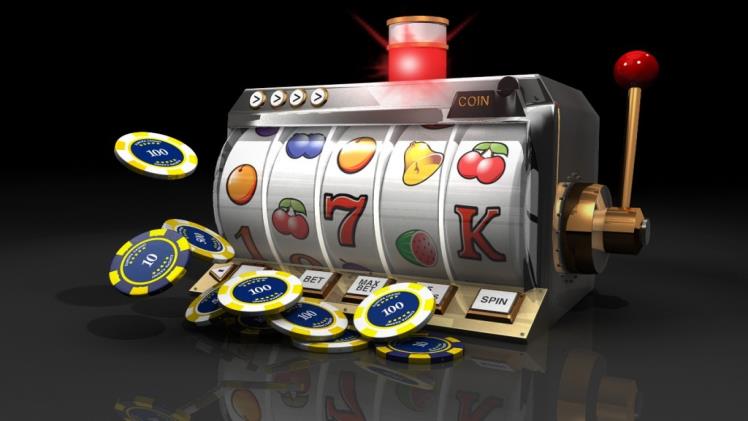
How to Verify the Slot Game’s Fairness?
Slot games have become one of the most popular forms of entertainment in the gaming industry, whether played in physical casinos or online. As internet gambling has grown in popularity, so too have concerns about how fair these games are. Gamers want to be certain that their chances of winning are genuine and unaffected by secret or immoral algorithms. Therefore, it is crucial to verify the fairness of slot deposit 5000 games to foster responsible gambling, guarantee transparency, and develop confidence.
Knowing How Slot Machines Operate
Modern slot machines, both digital and physical, are powered by a Random Number Generator (RNG). Every spin’s outcome is guaranteed to be completely random and unrelated to earlier results according to this mathematical procedure. Put more simply, there is no predictability because the result of one spin has no bearing on the next. Even when the slot machine is not in use, the RNG continuously creates hundreds of random numbers every second. The number generated at the exact moment the player presses the spin button determines the symbols that appear on the screen. If the RNG system is properly designed, this guarantees that the outcomes are impartial and fair.
Return to Player (RTP) function
The Return to Player percentage, or RTP for short, is another important measure of fairness in slot games. The RTP is the amount that a player could expect to receive back over a prolonged period of play. For example, a slot game with an RTP of 96% suggests that, in theory, players will receive 96 units back over time for every 100 units wagered. It’s crucial to keep in mind, though, that this number is based on millions of spins and does not ensure specific results. By openly disclosing its RTP value, a fair slot machine enables players to make well-informed choices about where to place their wagers. Transparency and confidence are further increased when reputable developers and licensed casinos make their RTP values publicly available.
Licensing and Regulatory Supervision
The existence of regulating bodies is directly related to slot game fairness. Strict rules established by gaming commissions or governing bodies, such as the UK Gambling Commission, the Malta Gaming Authority, or eCOGRA (eCommerce Online Gaming Regulation and Assurance), must be followed by licensed slot spaceman. These businesses know routine audits to confirm that the RNG systems operate as intended and that payout percentages continue to match reported data. Because casinos operating without the required licensing or accreditation are more likely to influence their games, it is imperative that players verify the casino’s credentials before playing.
Certification and Independent Testing
To ensure impartiality, independent third-party testing organizations are essential. Organizations like iTech Labs, GLI (Gaming Laboratories International), and eCOGRA thoroughly evaluate slot software to ensure that payout rates are accurate and the RNG is legitimate. To ensure that outcomes are truly random and unaffected by outside influences, these companies simulate millions of spins. These auditors’ certification seals, which can be seen on a casino’s website or in the game specifications, are powerful markers of dependability and fairness. Before playing a certain slot game, players should check for these certificates as part of their due diligence.
Openness and Player Awareness
The degree to which the casino and game supplier are open about their business practices also affects fairness. RNG certification, RTP values, and license information are all prominently displayed on a reliable platform. A thorough explanation of the paylines, bonus components, and potential odds can also be found in the game’s help or info section. Players with knowledge of these mechanics are less likely to be duped or subjected to unfair tactics. Online reviews, forums, and communities can also provide information on whether a casino or slot game has a track record of fair play or conflicts.